How to send a digital greeting card that feels personal
E-cards have a reputation for feeling generic. A few ways to make one that actually lands, for birthdays, weddings and graduations.
By The beMYN team
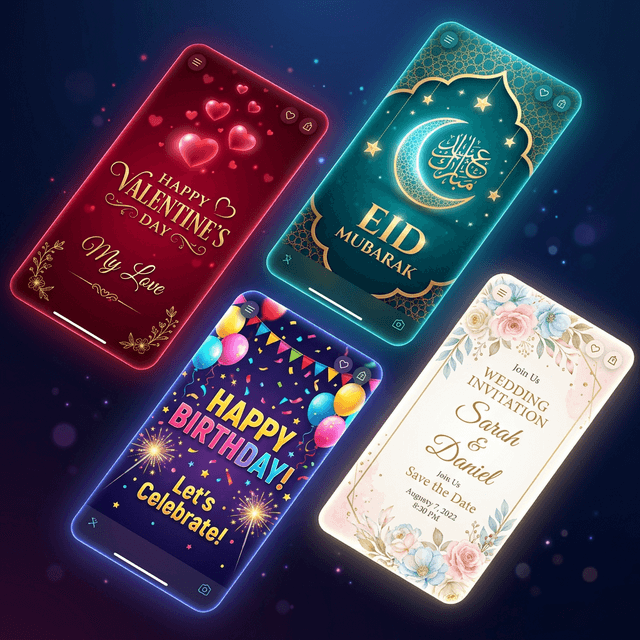
A text saying "happy birthday!!" takes three seconds and everyone knows it. A card, even a digital one, says you stopped and thought about it. The trick is making sure it doesn't read like it came off a shelf.
Write the message first
Pick the design last. Start with what you want to say. One specific memory beats three lines of general praise every time. "Still thinking about that road trip where we got lost in Vermont" means more than "you're the best."
Send it on the actual day
Digital cards can go out any time, which makes it easy to send them early and forget the day itself. A card that arrives in the morning of someone's birthday feels very different from one that shows up a week before.
Get other people to sign it
For a coworker leaving or a friend's wedding, a card signed by a whole group is the one people keep. Share the link and give everyone a day to add their note.
Greeting cards still live in the classic beMYN app while we finish rebuilding them. The link below takes you there.
Quick answers
How do I make a digital card feel personal?
Write a specific memory first, pick the design last, and send it on the actual day.